
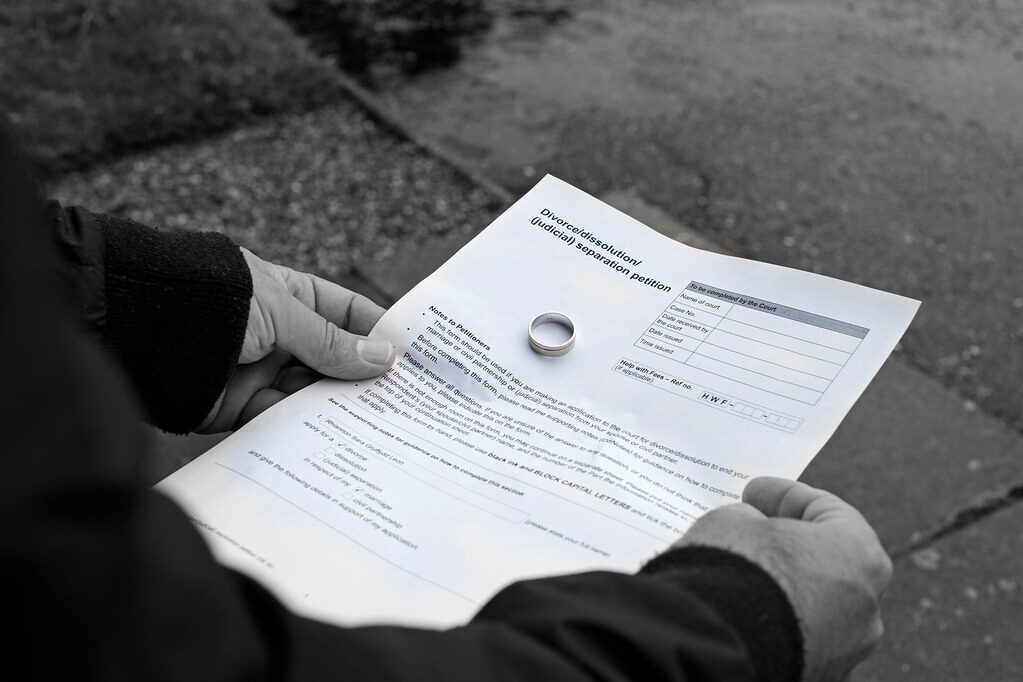
Being served with divorce papers is an emotional experience for many people. Whether the filing came as a surprise or followed months of separation, receiving legal documents often creates uncertainty about what happens next.
Many people immediately begin worrying about losing their home, their children, or their financial security. Others are unsure whether they need to respond right away or whether simply ignoring the paperwork will make the situation go away.
While being served can feel overwhelming, understanding the next steps often helps reduce anxiety and allows you to approach the process more confidently.
Take Time to Read the Documents Carefully
The first step is surprisingly simple.
Read everything carefully.
The documents explain what has been filed, identify the parties, and provide important information regarding deadlines and the issues involved in the case.
Avoid assuming you already know what the paperwork says based on conversations with your spouse.
Taking time to understand the documents provides a better foundation for every decision that follows.
Don’t Panic
Receiving divorce papers does not mean the court has already decided anything.
The petition represents one spouse’s request to begin the legal process.
Important issues such as property division, custody, child support, and spousal support generally remain unresolved at this stage.
You still have the opportunity to participate in the case, gather information, and consider your options.
Remaining calm often leads to better decisions than reacting emotionally during the first few days.
Pay Attention to Deadlines
Family law cases involve important timelines.
Ignoring the paperwork or setting it aside indefinitely can create unnecessary complications later.
Understanding the applicable deadlines allows you to respond appropriately and continue participating in the legal process.
Even if you hope to resolve everything amicably, paying attention to procedural requirements remains important.
Organization during the early stages of the case often makes the remainder of the process much smoother.
Begin Gathering Financial Information
One of the most productive things you can do after being served is begin organizing your financial records.
Income information, bank statements, retirement accounts, mortgage documents, tax returns, and other financial records will likely become important as the divorce progresses.
Gathering these documents early often reduces stress later and helps ensure financial discussions are based on accurate information.
Being proactive frequently places you in a stronger position throughout the case.
Focus on Long-Term Decisions
It’s natural to think about immediate concerns after receiving divorce papers.
However, many of the decisions made during the divorce will affect your financial future, parenting arrangements, and long-term stability.
Taking time to understand your priorities before making major decisions often leads to more thoughtful outcomes.
Rather than reacting to every development emotionally, focusing on your long-term goals helps provide direction during a challenging period.
The Beginning of a Legal Process
Being served with divorce papers is not the end of the story—it’s the beginning of a legal process.
Understanding what the documents mean, staying organized, and approaching each step thoughtfully allows you to navigate the process with greater confidence.
While every family’s circumstances are different, preparation and good information often make even difficult situations feel much more manageable as you move forward.
Comments are closed