
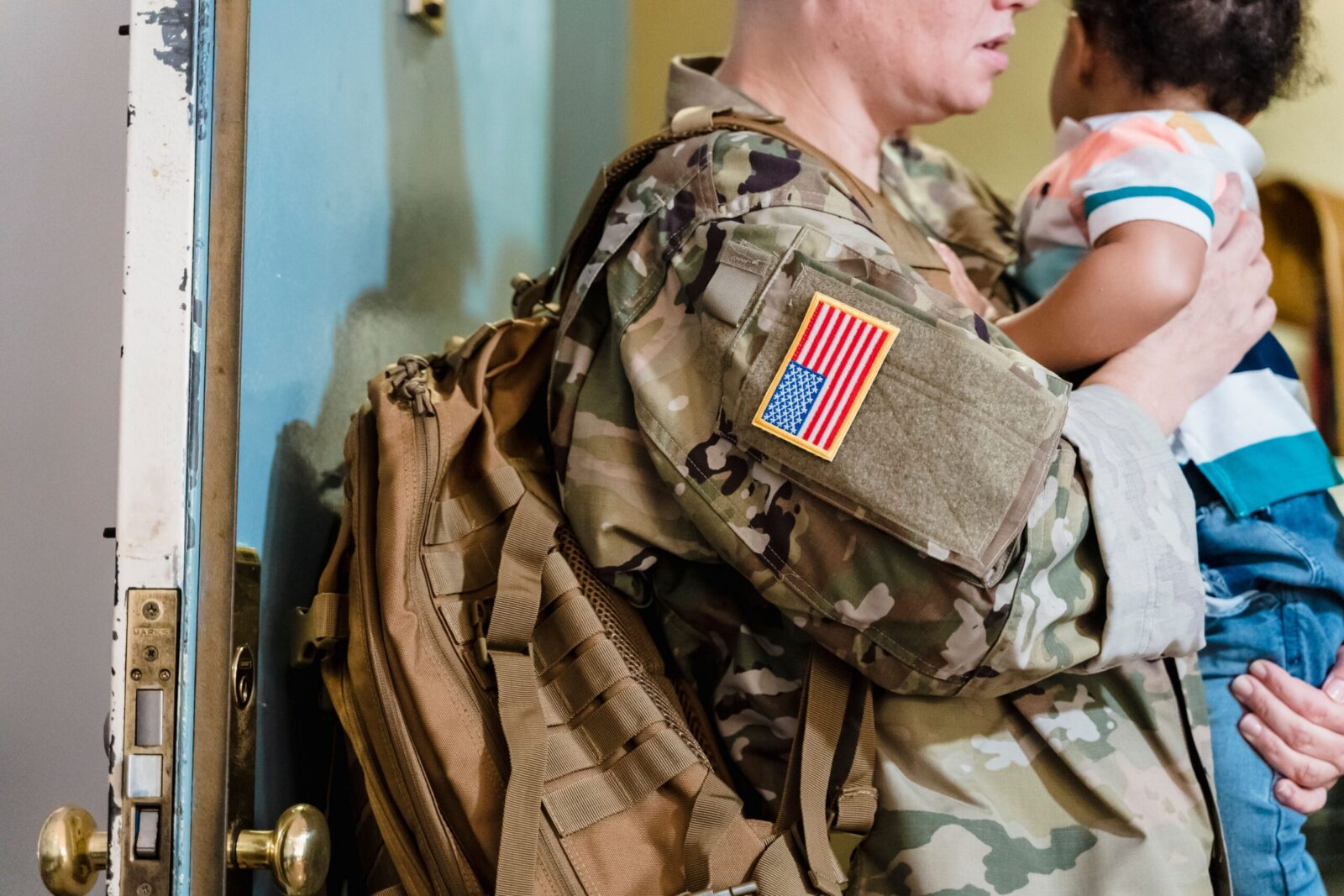
Military deployment can temporarily prevent a parent from exercising an existing custody schedule, but deployment alone does not establish that the parent should permanently lose custody or visitation. California law provides procedures intended to protect the child’s stability while recognizing the service-related nature of the parent’s absence.
Deployment Alone Does Not Justify a Permanent Change
A parent’s absence, relocation, or inability to comply with a custody schedule is not, by itself, sufficient grounds to modify custody when it results from activation, temporary duty, mobilization, or deployment. The court still considers the child’s best interests and the practical effect of the parent’s military obligations.
When deployment materially interferes with custody or visitation, the court may issue a temporary modification. The order should be understood as a temporary arrangement made without prejudice to the deployed parent’s position, not as an automatic final determination of the long-term parenting plan.
The Prior Order May Be Restored After Return
When the deployed parent returns and the temporary order is reviewed, there is generally a presumption that the earlier custody arrangement will resume. The court may decline to restore it when returning to that schedule would not serve the child’s best interests.
The temporary order should address the expected deployment period, communication with the child, transportation, exchanges, and the process for reviewing the schedule after return. Depending on the circumstances, the court may consider reasonable contact through video calls, telephone calls, messages, and other available means.
The deployed parent may also request appropriate visitation for a stepparent, grandparent, or other family member. Such visitation is not automatic. The court must make the required findings and determine whether the proposed contact is appropriate for the child.
Expedited and Remote Participation May Be Available
If deployment will materially affect a parent’s ability to attend a scheduled hearing, the parent may request an expedited hearing before departure or participation through reasonably available electronic means. Remote participation must still protect both parties’ procedural rights.
A servicemember experiencing an income change may also need to seek a support modification. A custody adjustment does not automatically change child support, and deployment does not authorize either parent to disregard the current support order.
A Detailed Temporary Plan Can Reduce Disruption
Deployment orders, duty schedules, travel information, school calendars, and existing parenting records can help the court create a realistic temporary arrangement. Both parents should exchange accurate information and avoid presenting military service as abandonment or using deployment to obstruct the child’s relationship with the absent parent.
A California child custody attorney can request temporary orders, preserve the deployed parent’s rights, address communication during the absence, and prepare for review after the parent returns. The goal is a plan that follows binding court orders while protecting the child from unnecessary instability caused by a temporary service-related absence.
Comments are closed