
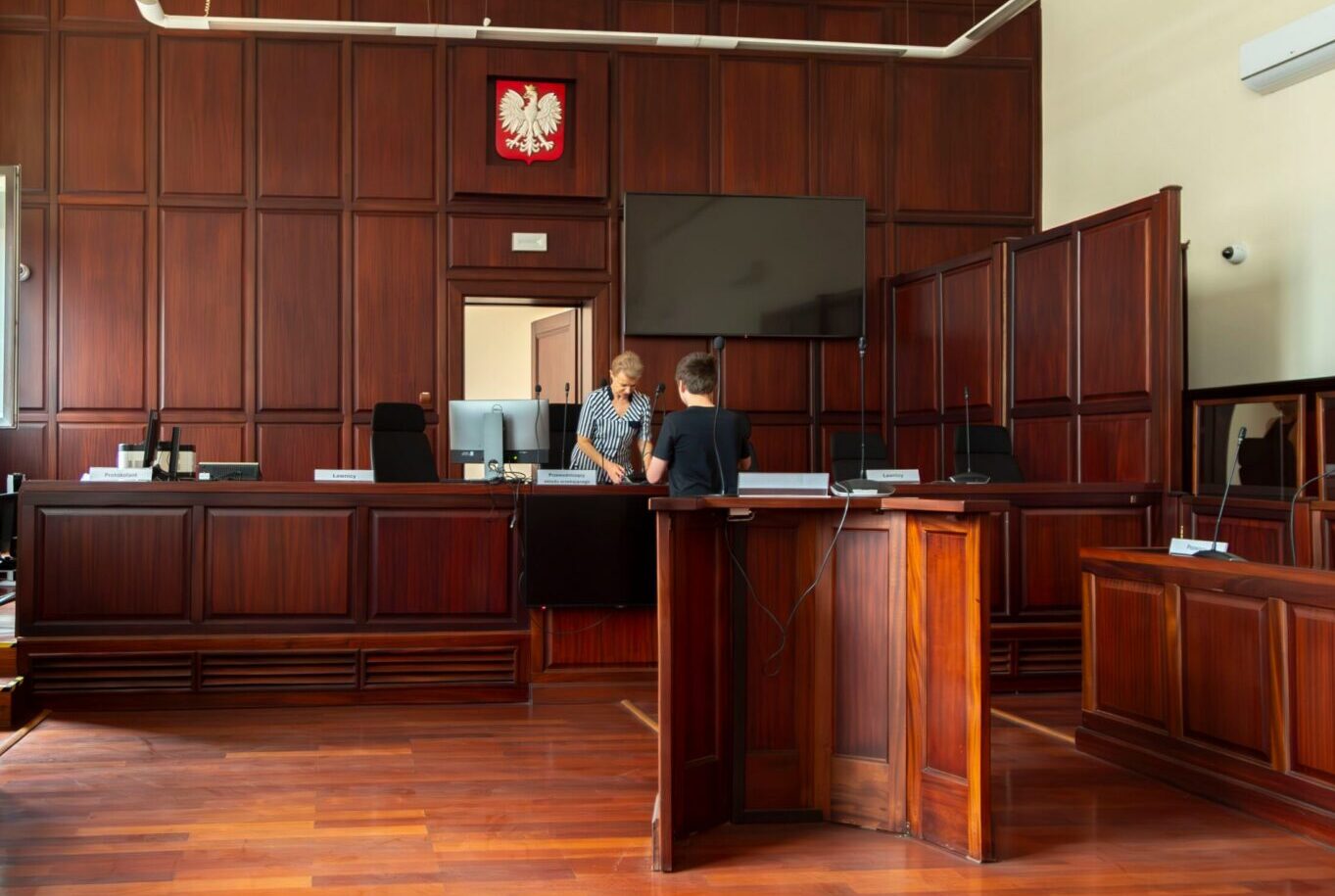
A motion in limine asks the court to decide an evidentiary or trial-management issue before the disputed matter is presented during trial. In a California divorce, these motions may be used to request that particular evidence be admitted or excluded.
The Motion Addresses Evidence or Trial Conduct
A party may use a motion in limine to ask the court to prevent the introduction of evidence that is inadmissible or to obtain permission to present evidence the other party is expected to challenge.
The motion should focus on an identifiable evidentiary issue. It is not simply an opportunity to argue the entire divorce case before testimony begins.
Some Requests Should Be Made Before Trial
Certain evidentiary disputes can be anticipated from witness lists, exhibits, expert reports, discovery responses, and settlement positions. Raising those issues before trial can help the parties understand what evidence will be allowed and prepare an orderly presentation.
Other motions, including some requests affecting valuation, should be made as early as reasonably practical. Waiting until trial may create avoidable disputes or leave insufficient time to respond.
New Information May Require a Motion During Trial
Not every evidentiary issue is foreseeable. A motion may need to be raised during trial when previously unknown facts emerge or a witness offers unexpected testimony.
The court retains responsibility for applying the rules of evidence. It may exclude evidence that would consume excessive time, create substantial prejudice, confuse the issues, or mislead the factfinder, even when the evidence has some relevance.
The Ruling Should Be Preserved in the Record
Motions in limine may be discussed during a pretrial conference in the judge’s chambers. Proceedings concerning those motions should be recorded so that the request, opposition, and ruling are clear.
Preserving the record can be important when an evidentiary ruling materially affects the outcome. The parties should not assume that an informal conversation provides the same protection as a clear ruling reflected in the trial record.
A California divorce attorney can identify evidentiary problems before trial, prepare focused motions, respond to the other party’s requests, and ensure that important rulings are properly recorded. Early attention to these issues can make the trial more efficient and prevent critical evidence from being excluded because of an avoidable procedural problem.
Comments are closed