
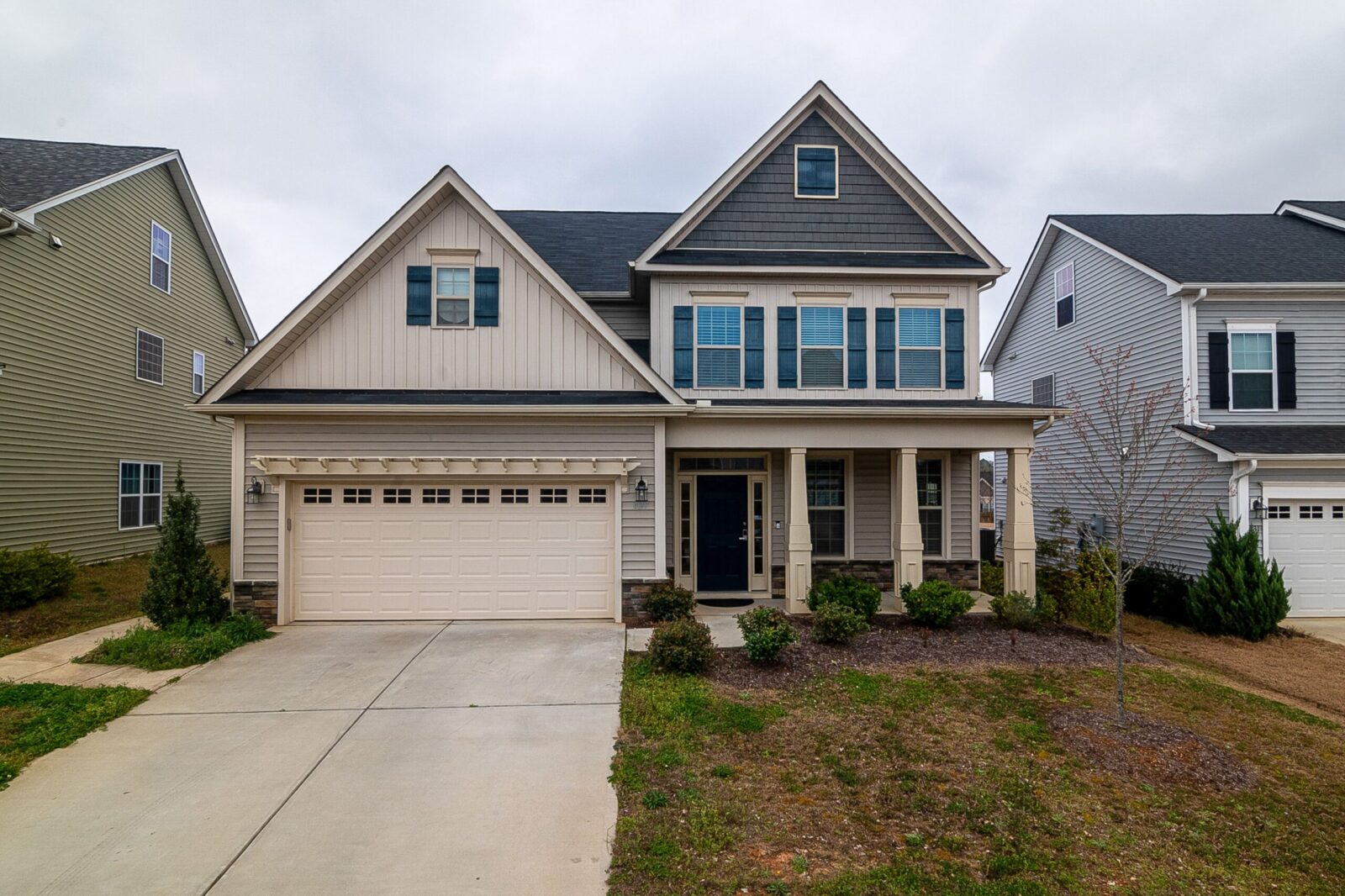
A spouse may offer an opinion about the value of community real estate in a California divorce. Ownership does not, however, allow the spouse to use any number or supporting information they choose; real-property valuation testimony remains subject to evidentiary requirements.
An Owner’s Opinion May Be Admissible
Either spouse may testify about the value of community real property. A qualified appraisal expert is therefore not the only person who may provide a valuation opinion.
The court is not required to accept an owner’s figure. Valuation remains a factual determination based on the admissible evidence presented.
The Opinion Must Have a Reliable Basis
An owner’s real-estate valuation must be based on information that a valuation expert could reasonably rely upon. A spouse should be prepared to explain how the proposed number was developed.
Relevant information may include a sufficiently recent bona fide sale of the property, appropriate comparable sales, or qualifying lease information. Comparable properties must be sufficiently similar and their sales sufficiently close to the relevant valuation date to provide a reasonable indicator of value.
Listings and Tax Assessments Have Limits
An offer or listing price cannot be used as proof of real-property value or as the basis for a valuation opinion. The amount for which someone hopes to sell a property does not necessarily establish its fair value.
A property-tax assessment and the amount of taxes due also cannot be used as valuation proof. A spouse should not assume that a tax bill, online listing, or rejected purchase offer will substitute for admissible valuation evidence.
The Court May Require Additional Evidence
The court may accept or reject expert and owner opinions and make an independent valuation based on the evidence. If the available evidence is insufficient, the court may require the parties to produce more information or appoint its own expert.
Appraisals, photographs, repair records, recent sales data, lease documents, and evidence concerning the property’s condition may help provide the necessary factual foundation.
A California divorce attorney can determine whether owner testimony is likely to be sufficient, organize admissible supporting information, and work with an appraiser when expert evidence is appropriate. Careful preparation helps ensure that the court receives more than an unsupported estimate of one of the mar
Comments are closed