
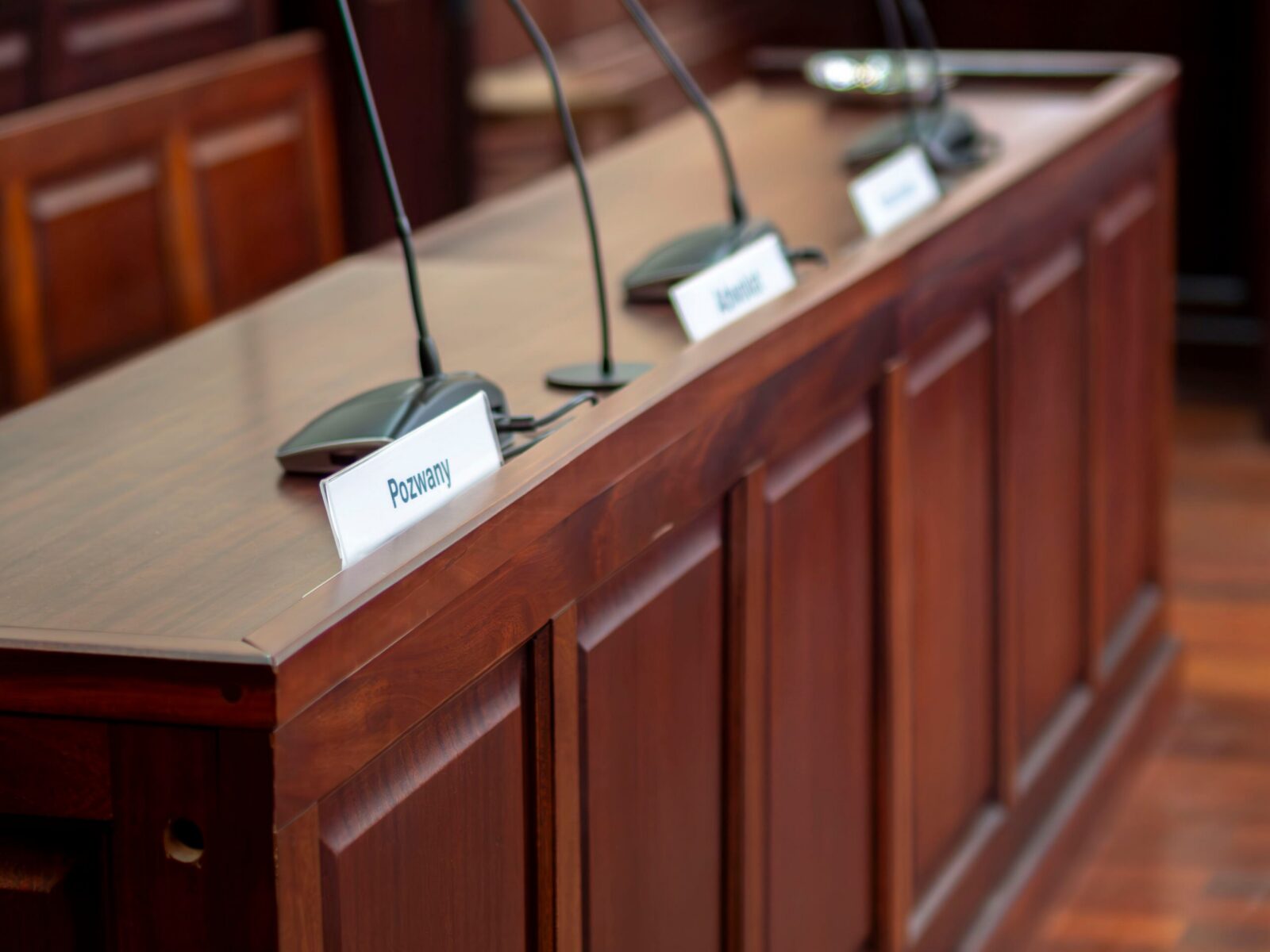
California divorce and legal-separation disputes are ordinarily decided by a judge rather than a jury. Even when the case involves contested facts, valuable property, or serious allegations, the parties generally do not have an inherent right to demand a jury trial.
Family-Law Cases Are Usually Decided by Judges
Marital actions are treated as equitable proceedings. This means the assigned judicial officer determines disputed facts, applies the governing family-law rules, and enters the final orders.
The absence of a jury applies to common divorce issues such as property characterization, valuation, debt allocation, spousal support, and the enforcement of marital obligations. A party should prepare to present the case directly to the court.
Disputed Facts Do Not Create an Automatic Jury Right
A sharp disagreement about what occurred does not transform a family-law dispute into a jury case. The judge may need to resolve conflicting testimony, assess credibility, interpret financial records, and choose between competing expert opinions.
Evidence remains important even though no jury is present. Documents must still be authenticated when required, witnesses must provide admissible testimony, and the parties must connect the evidence to the requested orders.
An Advisory Jury Is Rare
A court has limited discretion to submit factual questions to a jury, but this procedure is unusual. Any jury determination would generally be advisory rather than binding on the judge.
Parties should not build their litigation strategy around the expectation that a jury will decide the dispute. Trial preparation should instead focus on the findings the judge must make and the evidence needed to support them.
Family-Court Informality Does Not Eliminate Trial Rights
Family-law trials can sometimes appear less formal than other civil proceedings. Judges may discuss stipulations, encourage settlement, or organize testimony flexibly, but the parties remain entitled to a fair opportunity to present relevant evidence.
The court may control the length and order of the proceedings, but it cannot arbitrarily prevent a party from completing the presentation of the case. Objections, offers of proof, and a clear record may become important if a ruling is later challenged.
A California divorce attorney can identify the issues the judge must decide, organize the evidence around the required findings, and prepare witnesses for a court trial. Understanding that the judge—not a jury—will decide the case allows the presentation to remain focused, efficient, and legally relevant.
Comments are closed