
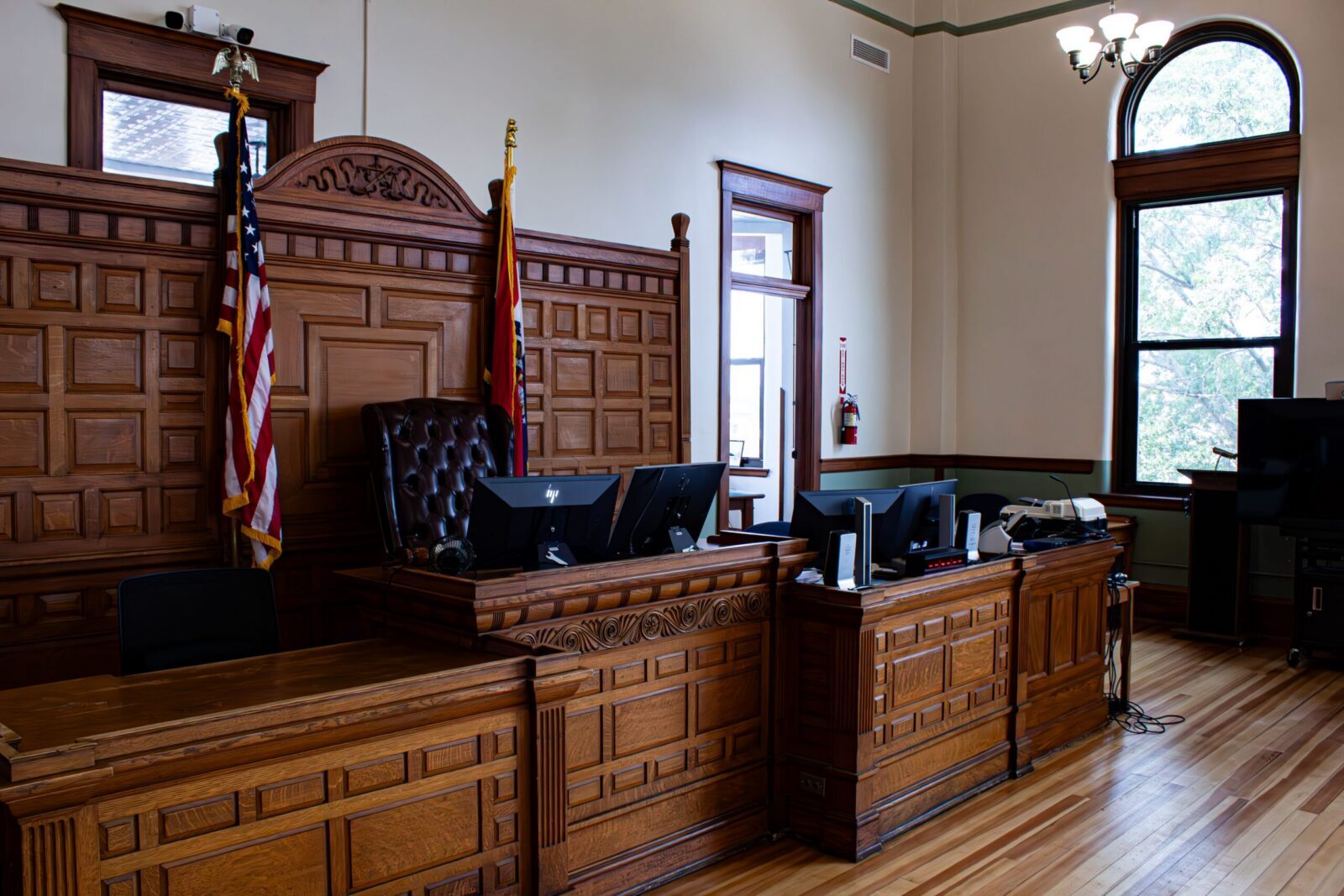
California family-law proceedings may involve private financial information, sensitive relationship history, domestic violence allegations, or intimate custody evidence. In the interests of justice and the people involved, the court may direct that all or part of a marital-action trial be conducted privately.
Privacy Is Not Automatic
A party should not assume that a divorce trial will be closed merely because the evidence is personal or embarrassing. The court must decide whether privacy is appropriate under the circumstances.
The parties may agree to request a closed proceeding, but their agreement does not replace the judge’s authority to control the courtroom.
The Court May Close Particular Issues
The judge may close the entire marital-action trial or only specific issues. The court may exclude members of the public while allowing court personnel, the parties, attorneys, and necessary witnesses to participate.
Custody disputes may present especially strong privacy concerns because testimony can involve children’s health, safety, family relationships, and psychological needs.
A Formal Request Creates a Clear Record
Although a court may sometimes address privacy informally, a formal request allows the moving party to explain why closure is justified. The request should identify the evidence or issues requiring protection rather than seeking unnecessary secrecy over the entire case.
Closing the courtroom is distinct from sealing court records. A private hearing does not automatically make every filed document inaccessible.
Nonparty Witnesses May Be Excluded Separately
The court may exclude a nonparty witness from the courtroom while other witnesses testify. This prevents the witness from tailoring testimony based on what they hear.
Excluding witnesses does not prevent them from appearing when called or reviewing material they are otherwise entitled to receive. The judge controls the timing and scope of any exclusion.
A California divorce attorney can request an appropriately limited closed proceeding, distinguish courtroom privacy from record sealing, identify who may remain present, and protect the integrity of witness testimony.
No responses yet