
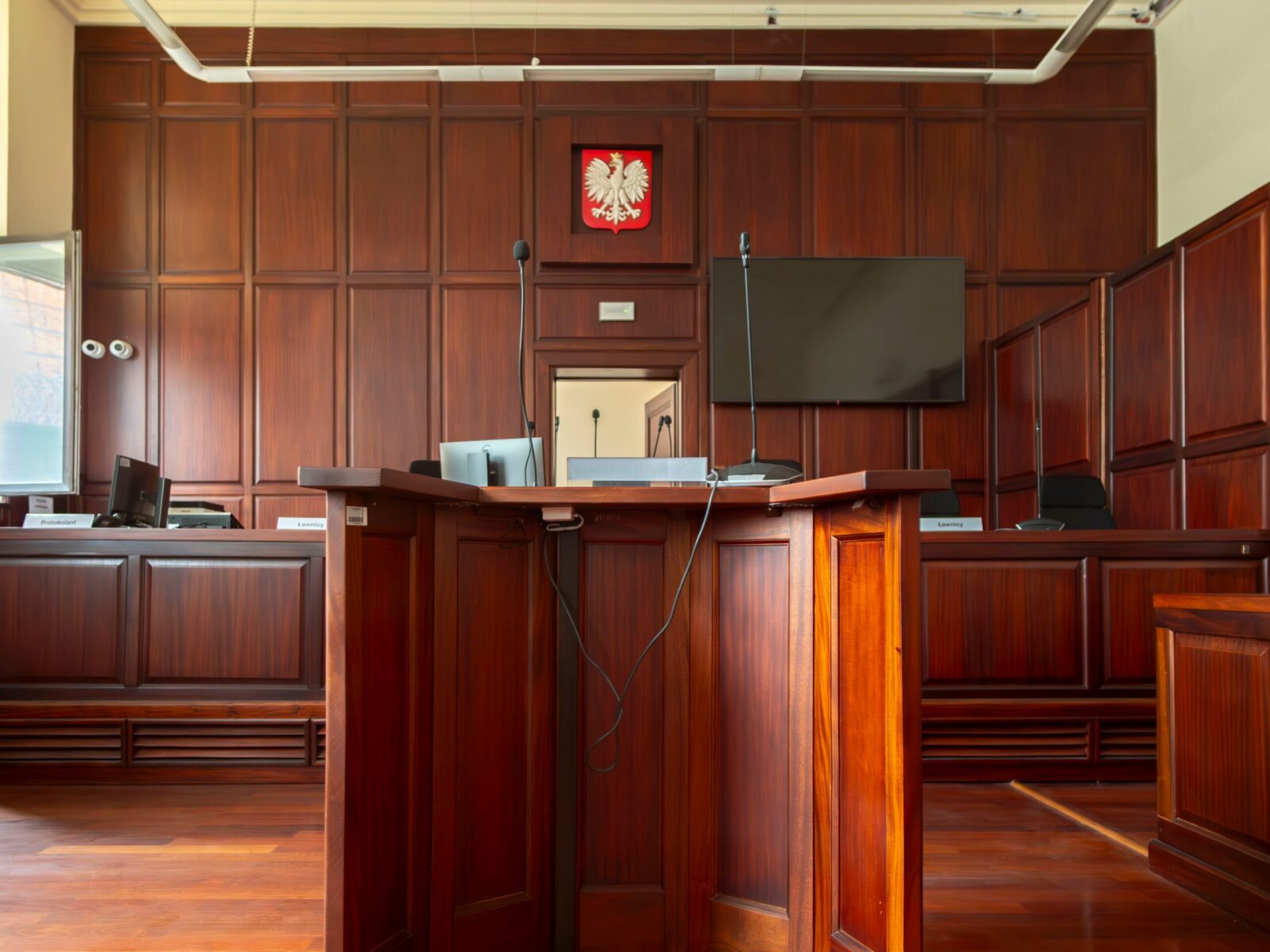
A California court may issue a domestic violence restraining order even when the respondent does not appear at the scheduled hearing. A respondent should never assume that absence will cause the request to be dismissed.
Proper Notice Is Critical
Before issuing long-term orders, the court generally must determine whether the respondent received legally sufficient notice or whether an authorized method of service was completed.
The filed proof of service helps establish what documents were delivered, when service occurred, and how it was completed.
The Court May Hear the Petitioner’s Evidence
If notice requirements are satisfied, the court may receive testimony and other evidence from the petitioner despite the respondent’s absence. The court is not required to postpone the case merely because the respondent chooses not to attend.
The petitioner must still establish a legal basis for the requested protection. Nonappearance does not automatically prove every allegation or justify every requested term.
Long-Term Orders May Be Entered
An order issued after hearing may remain effective for years and can include personal-conduct, stay-away, residence, property, animal-protection, firearm, and other restrictions.
The order can also affect related custody proceedings, employment, housing, licensing, and background checks. These consequences make attendance and preparation important.
The Respondent Should Not Ignore the Result
A respondent who misses the hearing should promptly obtain the signed order and determine exactly what was granted. Lack of personal familiarity with the final terms does not justify prohibited conduct after legally sufficient notice.
Any request to challenge, modify, or terminate the order must use the proper legal procedure. The respondent cannot privately treat the order as invalid.
A California domestic violence attorney can review service, determine what occurred at the hearing, and evaluate any available request for relief. Prompt action is important, but the issued order must be obeyed unless and until a court changes it.
Comments are closed