
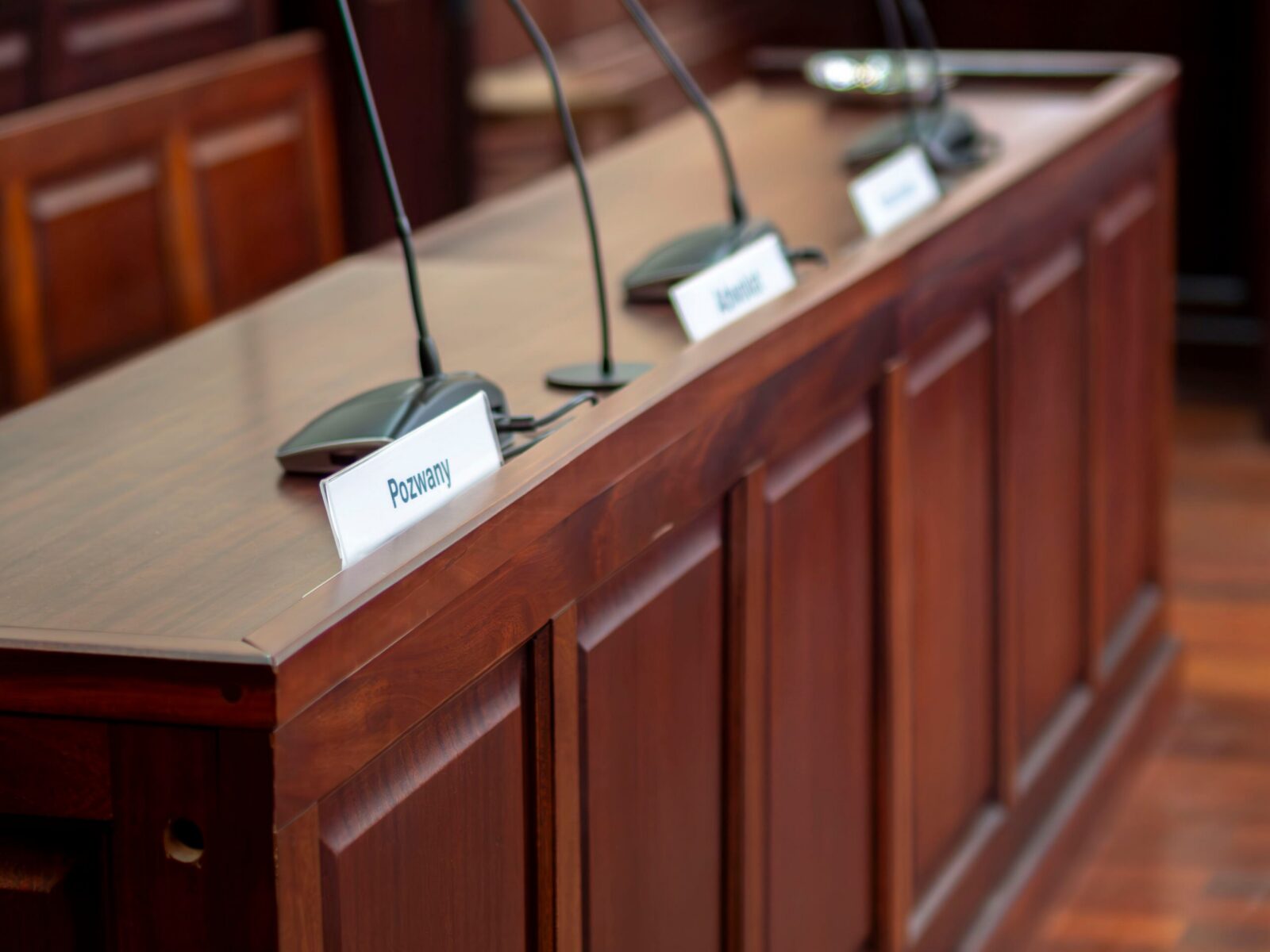
A domestic violence restraining order hearing often turns on conflicting accounts. California courts may consider testimony from people other than the protected and restrained parties when those witnesses have relevant information.
Witnesses Should Have Relevant Personal Knowledge
A useful witness may have seen an incident, heard a threat, observed injuries, received a contemporaneous disclosure, or witnessed later conduct connected to the alleged abuse. A person’s closeness to one party does not automatically make their testimony inadmissible, but it may affect credibility.
Witnesses should distinguish what they personally perceived from rumors or assumptions. Testimony based on direct knowledge is generally more useful than a broad opinion about which party is a better person.
Advance Notice May Be Required
Each party ordinarily should identify the witnesses they intend to call and briefly describe the subject of their testimony. Proper notice helps the other side prepare and allows the court to manage the hearing fairly.
A party should not assume that an undisclosed surprise witness will be permitted. The court may consider the reason for the late disclosure, possible prejudice, and whether additional time is needed.
Multiple Witnesses Can Affect Scheduling
A DVRO hearing with several witnesses may require more time than the court’s regular restraining-order calendar allows. The parties should provide a realistic estimate of the time needed for direct testimony, cross-examination, and evidentiary issues.
The court controls the presentation of evidence and may limit testimony that is repetitive or only marginally relevant. Selecting witnesses with distinct, material information can make the presentation clearer.
Remote Testimony May Be Available
A party, witness, or support person may be permitted to appear remotely under applicable court procedures. Remote participation does not eliminate the need to provide notice, establish identity, and present testimony in an orderly manner.
Parties should confirm the court’s appearance instructions in advance. A witness who simply joins informally or remains unavailable when called may not be able to provide the needed evidence.
A California DVRO attorney can identify the most useful witnesses, provide required notice, prepare witnesses to testify from personal knowledge, and present or challenge their evidence at the restraining-order hearing.
No responses yet