
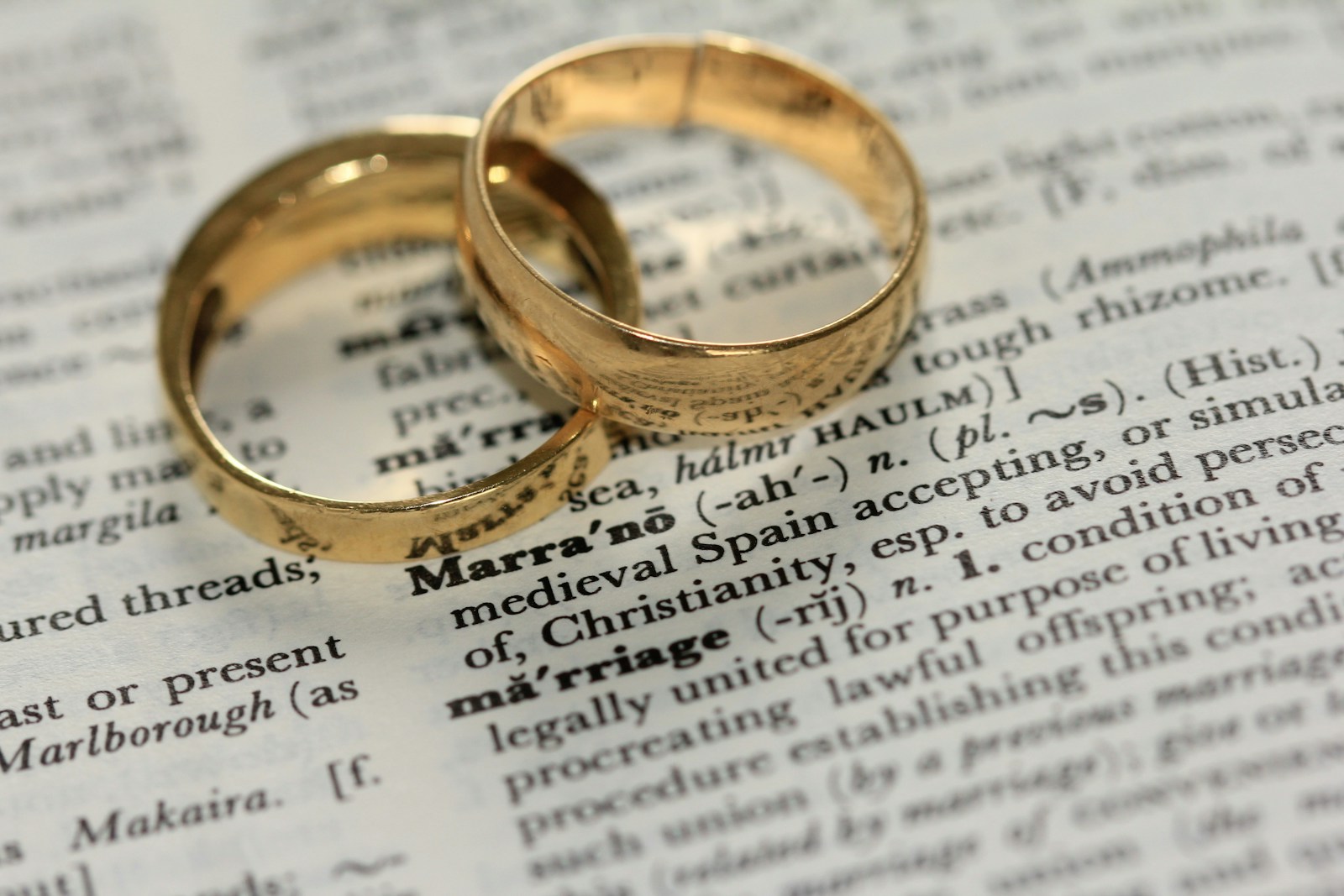
Understanding Grounds for Divorce and Annulment in California
When you are considering ending a marriage, understanding your legal options is an important first step. In California, family law provides several paths depending on your situation, including divorce (dissolution), legal separation, and annulment (nullity). While these terms are sometimes used interchangeably, they have very different legal meanings and consequences.
Divorce and Legal Separation: What You Need to Know
In California, a court may grant a divorce or legal separation based on one of two grounds: irreconcilable differences or permanent legal incapacity.
Most cases are based on irreconcilable differences. This simply means that the marriage has broken down beyond repair. You do not need to prove wrongdoing by either spouse. Instead, the court looks at whether there are substantial issues in the relationship that cannot be resolved. In practice, courts are generally flexible with this standard, and it is rare for a divorce to be denied on this basis.
Legal separation is similar to divorce in many ways—it allows the court to address issues like property division, custody, and support—but the marriage is not formally ended. This may be an option for individuals who are not ready for divorce due to personal, financial, or religious reasons.
In less common situations, a divorce may be based on permanent legal incapacity, which requires medical or psychiatric evidence showing that one spouse is unable to make decisions and that this condition is ongoing.
What Is an Annulment?
An annulment, or “nullity of marriage,” is different from divorce. Instead of ending a valid marriage, an annulment declares that a valid marriage never legally existed. However, annulments are only available in very specific situations defined by law.
There are two categories: void marriages and voidable marriages.
Void marriages are considered invalid from the beginning. These include marriages involving incest or bigamy (when one person is already legally married to someone else). Even though these marriages are automatically invalid, obtaining a court judgment can still be important to clarify legal status and resolve issues like property or child custody.
Voidable marriages, on the other hand, are considered valid unless and until a court declares them invalid. These situations include circumstances such as:
- One party being under 18 without proper consent
- Fraud or misrepresentation going to the core of the marriage
- Force or coercion
- Unsound mind at the time of marriage
- Physical incapacity
- Certain cases involving bigamy
It’s important to understand that not all dishonesty or regret qualifies as fraud for an annulment. The law requires that the issue be significant and directly related to the purpose of the marriage.
Additionally, strict time limits often apply to annulment cases, so acting promptly is critical if you believe your situation may qualify.
Why Legal Guidance Matters
Family law issues can quickly become complex, especially when emotions are high and important decisions about your future are at stake. Whether you are considering divorce, legal separation, or wondering if an annulment applies to your situation, having the right information is essential.
Consulting with a family law attorney can help you understand your rights, evaluate your options, and avoid costly mistakes. An attorney can also guide you through the legal process, ensure that paperwork is properly handled, and advocate for outcomes that protect your financial stability and your family’s well-being.
If you are unsure where to begin, speaking with an attorney can provide clarity and peace of mind during a difficult time.
Comments are closed