
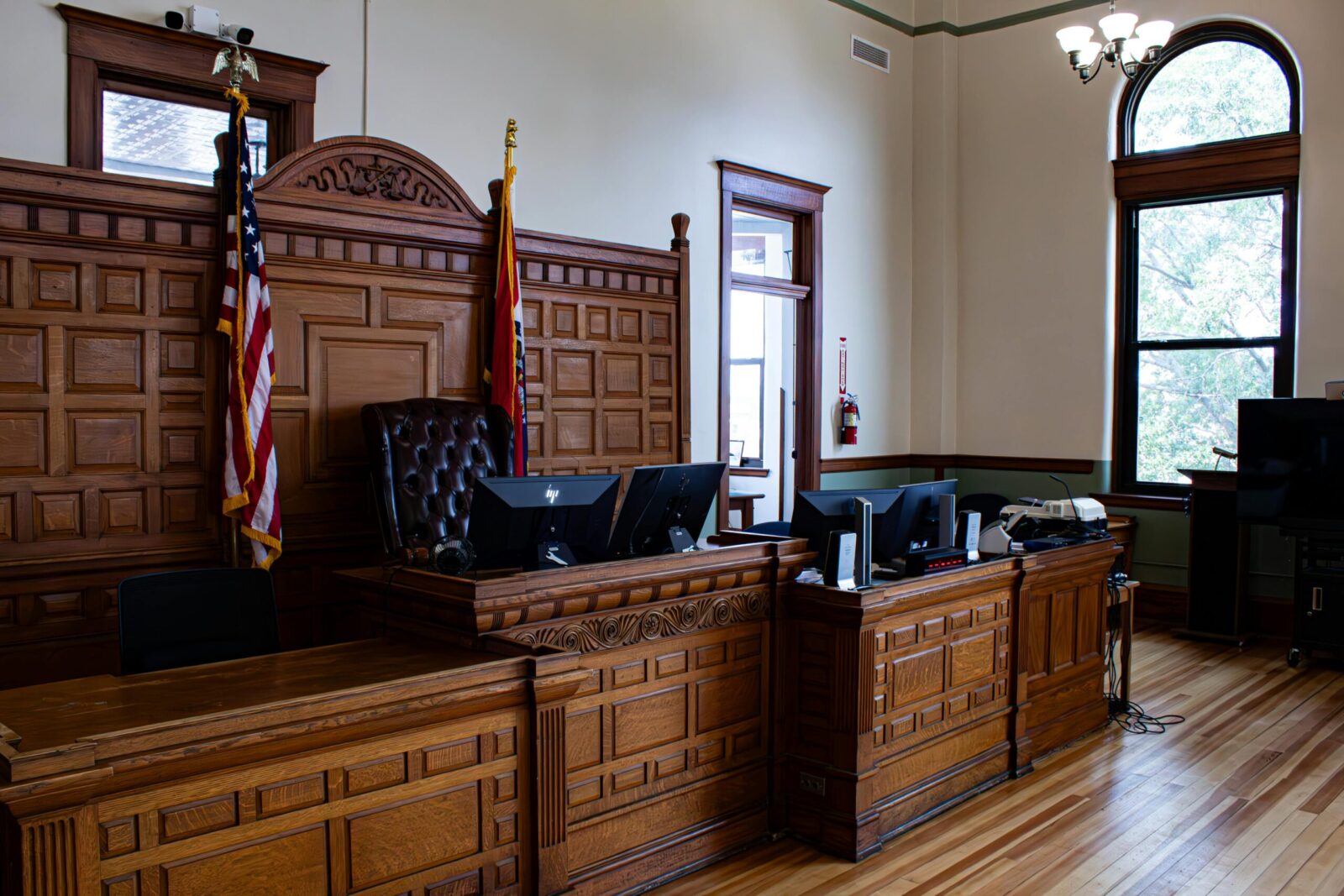
Many California divorces are resolved through agreements, but some disputes remain contested despite discovery, negotiation, and settlement efforts. When spouses cannot resolve those issues, the family court may conduct a trial and make the necessary decisions. A California divorce trial is a formal court proceeding involving evidence, witnesses, legal arguments, and judicial findings. Unlike many other types of civil litigation, marital actions are tried by a judge rather than a jury.
The Court Identifies the Issues That Must Be Decided
A divorce trial does not necessarily require the judge to decide every subject that has arisen since the case began.
Before trial, the parties may have resolved some issues through settlement or stipulation. Other matters may already have been decided through earlier court orders.
The trial therefore focuses on the issues that remain contested.
Those issues might include characterization and division of property, reimbursement claims, spousal support, or other matters that remain within the family court’s authority.
Pretrial procedures can help clarify exactly what the judge must decide. The parties may identify disputed issues, address the anticipated order of proof, enter stipulations concerning matters that do not need to be proven, and raise evidentiary questions before testimony begins.
A stipulation can make a trial more efficient by removing genuinely undisputed matters from the contested issues.
The court may also consider motions in limine, which ask the judge to resolve certain evidentiary questions in advance of or during trial.
Evidence Can Include Witnesses, Documents, and Prior Discovery
Trial is the stage at which the parties present admissible evidence supporting their positions.
Witness testimony can be used to establish relevant facts. Depending on the dispute, witnesses might include the spouses, financial professionals, appraisers, or other people with relevant knowledge.
Documents can also be important.
A property trial might involve deeds, account statements, loan records, business documents, or evidence tracing funds to community or separate property sources.
Discovery completed before trial can help develop this evidence. Depositions, interrogatory responses, admissions, and produced documents can identify information that later becomes relevant to presenting or challenging a party’s position at trial.
However, obtaining information during discovery and successfully presenting evidence at trial are not necessarily the same thing. The evidence offered to the judge remains subject to the rules governing admissibility.
The court evaluates the evidence and determines disputed factual and legal issues.
There Is No Jury Trial in a California Marital Action
A significant feature of a California divorce trial is that the contested marital issues are decided by the judge.
The parties do not have a right to a jury trial in a marital action.
This means the judge serves as the decision-maker on disputed issues of fact as well as the legal questions presented for determination.
After the evidence and arguments have been presented, procedures concerning a statement of decision may become important. A statement of decision can explain the factual and legal basis for the court’s decision on principal controverted issues when properly requested under the applicable procedures.
The court may also issue a tentative decision before the final judgment or order is completed.
The resulting orders are binding. A party who disagrees with the outcome cannot simply disregard the ruling; any challenge or requested change must proceed through an authorized legal procedure.
Trial Resolves the Issues the Spouses Could Not Settle
A California divorce trial provides the family court with a formal process for resolving contested issues that remain after settlement efforts and pretrial preparation. The judge considers admissible testimony, documents, discovery evidence, and legal arguments before making the necessary determinations. Because there is no right to a jury trial in a marital action, the family court judge ultimately decides the unresolved issues and enters enforceable orders reflecting those decisions.
Comments are closed