
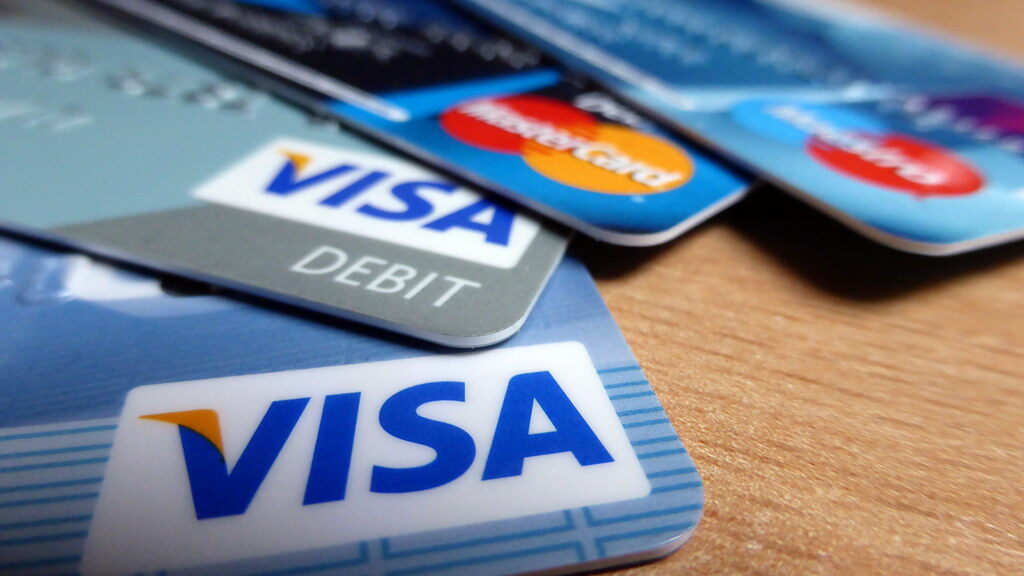
When couples divorce, attention often focuses on assets such as homes, retirement accounts, and bank balances. However, credit card debt can be just as important.
In many cases, outstanding credit card balances become a significant issue that must be addressed before a divorce can be finalized.
Credit Card Debt May Be Community Debt
California is a community property state, which generally means debts incurred during the marriage may belong to both spouses.
Even if only one spouse’s name appears on a credit card account, the debt may still be treated as a community obligation depending on when the charges were incurred and how the funds were used.
This frequently surprises individuals who assume they are responsible only for accounts in their own name.
The Purpose of the Charges Can Matter
Not every credit card balance is treated the same way.
Charges used for household expenses, family needs, vacations, or other marital purposes are often viewed differently than charges made after separation or for purely personal reasons.
The facts surrounding the debt can influence how responsibility is allocated.
Creditors Are Not Bound by Divorce Judgments
One of the most important misconceptions involves creditor rights.
Even if a divorce judgment assigns responsibility for a particular debt to one spouse, the credit card company may still pursue both parties if both names remain on the account.
This means that property division orders do not automatically eliminate contractual obligations to lenders.
Closing Joint Accounts May Be Important
Many divorcing couples choose to close or separate joint accounts to avoid future problems.
Continuing to share credit accounts after separation can create additional financial risks and disputes.
Addressing these issues early often helps reduce uncertainty and prevent new debt from accumulating.
Debt Should Be Evaluated Alongside Assets
A settlement may appear favorable until outstanding debts are considered.
For example, receiving a valuable asset may not be as advantageous if it is offset by substantial credit card obligations.
Evaluating the complete financial picture is critical when negotiating a divorce settlement.
Protecting Your Financial Future
Credit card debt can affect credit scores, borrowing ability, and long-term financial stability.
Understanding how California courts address marital debt can help you make informed decisions and avoid costly mistakes. If debt allocation is a concern in your divorce, obtaining legal guidance can help ensure that your financial interests are properly protected.
Comments are closed