
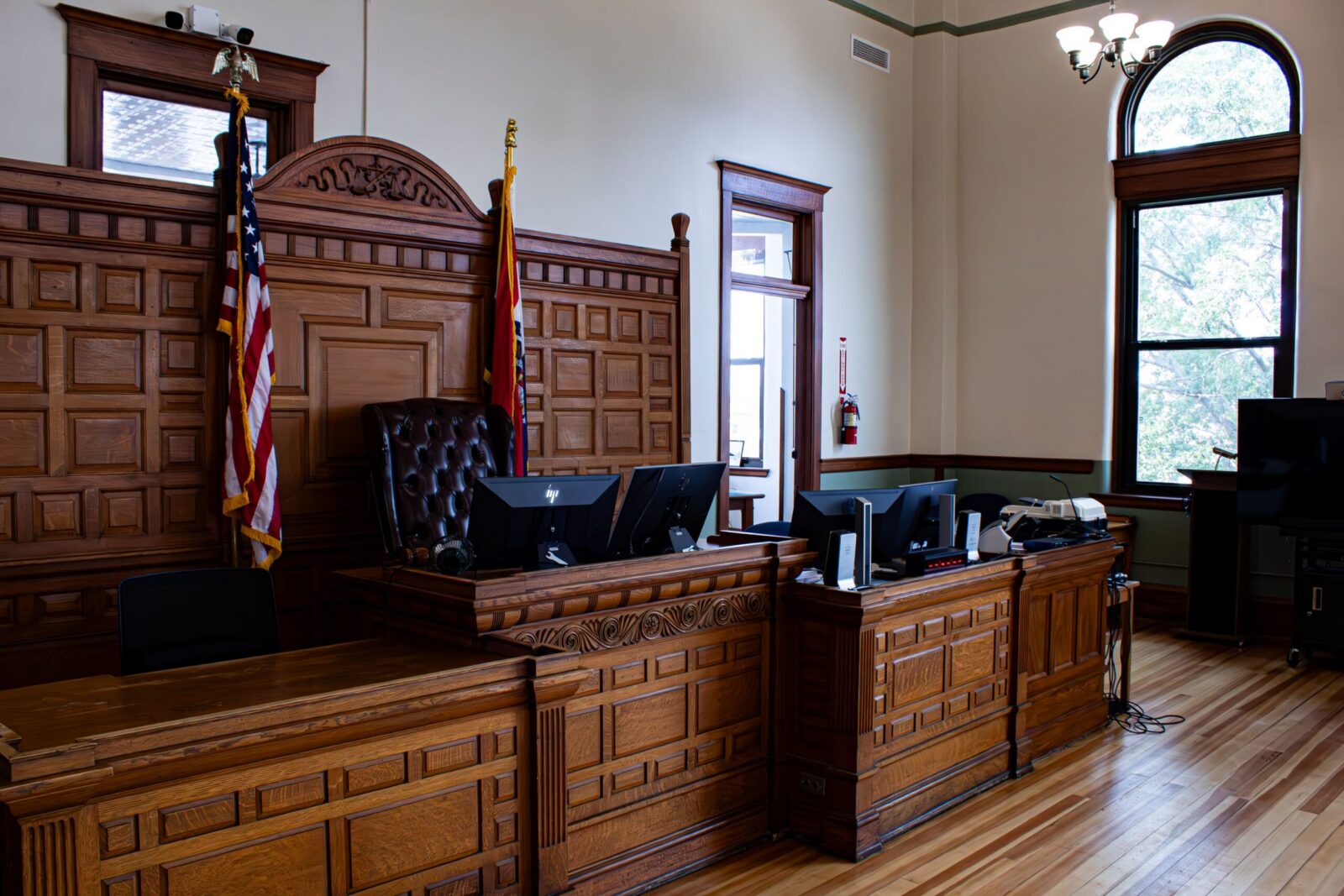
California courts must protect the due-process rights of self-represented parties in contested DVRO hearings. A judge may explain basic evidentiary requirements or ask questions without becoming an advocate for either side.
The Court Must Hear the Case Fairly
A court cannot assume that an unrepresented petitioner or respondent understands how to lay a foundation, make an evidentiary objection, question witnesses, or address hearsay.
The judge should take reasonable steps to ensure the matter is decided on its merits while preserving a fair opportunity for both sides to participate.
The Judge May Ask Questions
The court may ask general or open-ended questions to gather relevant evidence. Doing so does not necessarily compromise judicial neutrality.
The judge may also clarify testimony, direct the order of presentation, and explain why particular information cannot be considered.
Evidence Rules Still Apply
Self-representation does not eliminate the rules governing authentication, hearsay, relevance, and admission of exhibits.
The court may provide basic guidance, but it does not become the party’s attorney. Each side remains responsible for bringing witnesses, organizing exhibits, and presenting the available evidence.
Both Parties Retain Due-Process Rights
Assistance to one self-represented person cannot deny the opposing party a meaningful opportunity to respond, object, cross-examine, or present contrary evidence.
The court must balance accessibility with impartiality. Any resulting TRO or DVRO remains binding unless properly modified, stayed, terminated, or reversed.
A California domestic violence attorney can prepare a party for testimony, organize admissible exhibits, and protect due-process rights when the other side is self-represented. Even limited legal assistance before the hearing can help a person present the facts more clearly.
Comments are closed