
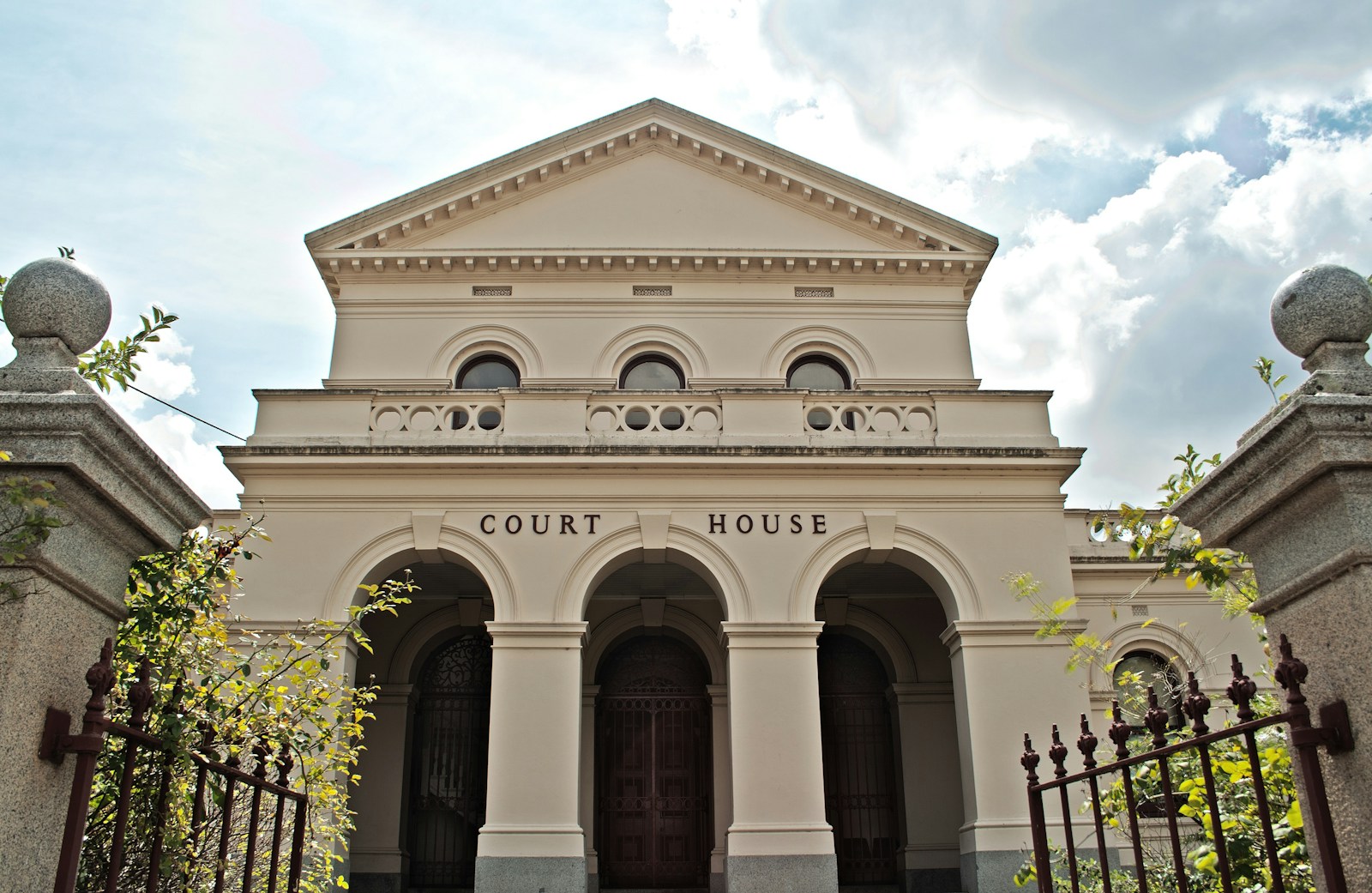
California divorce petitions generally must be filed in a county satisfying the applicable residency requirements. Filing in an improper county creates a venue problem, but improper venue is different from a lack of court jurisdiction.
Venue Determines the Proper County
Venue addresses which California county should hear the case. For divorce, the filing county generally must be one in which either spouse has lived for the required period.
Legal-separation and nullity cases follow different venue rules and may be filed where either party resides when the action begins.
Improper Venue Does Not Automatically Void the Case
A judgment entered in an improper county is not automatically invalid solely because of the venue defect.
Unlike a true jurisdictional problem, improper venue generally cannot be raised later merely as a defense to enforcement after the issue was left unchallenged.
The Respondent Must Raise the Issue Timely
A respondent who believes the case was filed in the wrong county may file a timely request to quash the proceeding or transfer the case.
Delay can result in waiver of the venue objection. The respondent should preserve evidence of both spouses’ residences and the relevant dates.
Transfer May Be Requested for Other Reasons
Even when the original county is proper, a respondent may request transfer to another proper county when the interests of justice would be served.
While the transfer request is pending, the court may still address specified urgent matters, including temporary spousal support, temporary restraining orders, and attorney fees. Existing orders remain binding during the dispute.
A California divorce attorney can distinguish venue from jurisdiction, assess residency evidence, and file or oppose a timely transfer request. Addressing venue early prevents unnecessary hearings and litigation in the wrong location.
No responses yet