
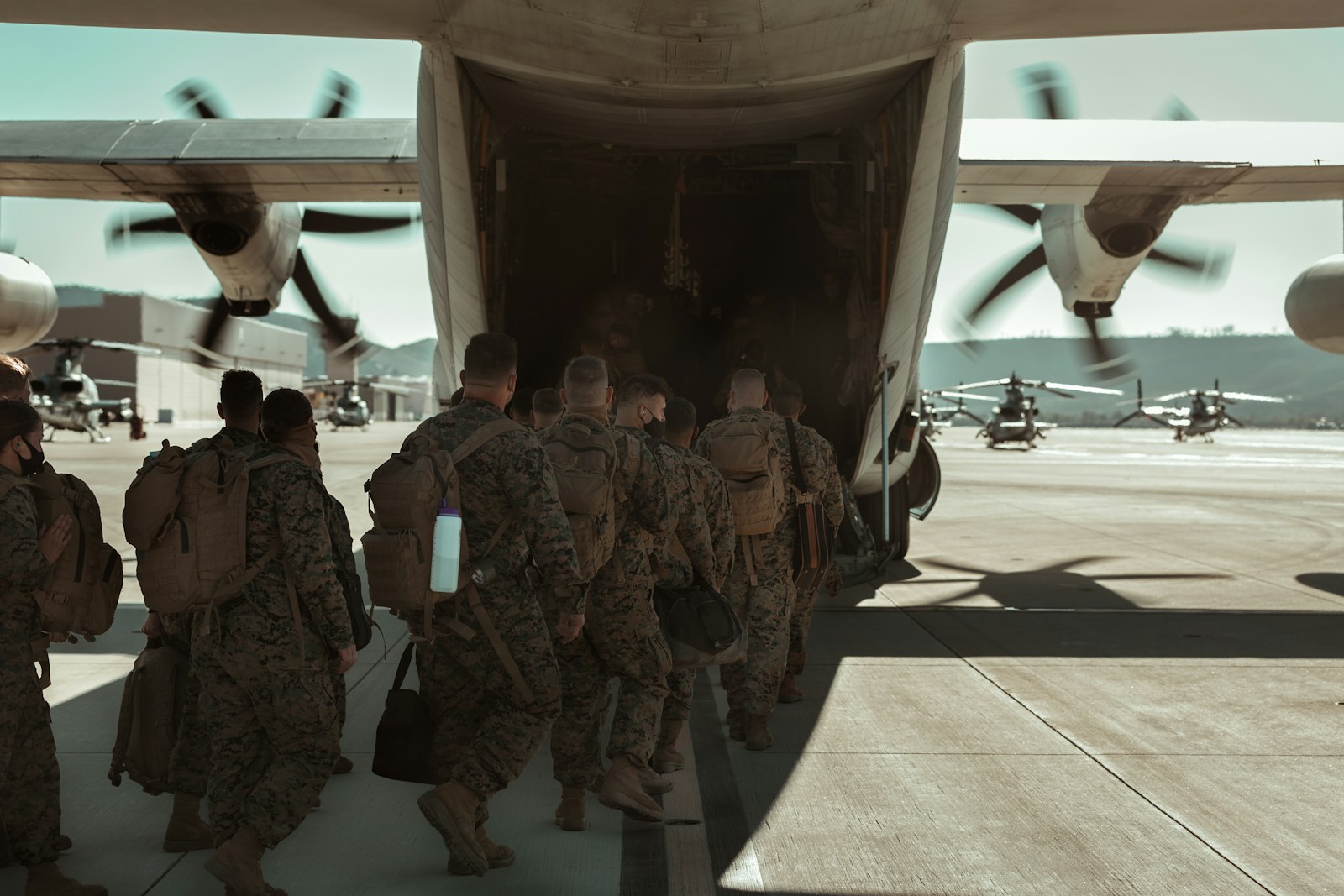
Military service can create unique challenges for California parenting plans. A deployment may temporarily prevent a parent from exercising the regular custody schedule even though that parent remains committed to maintaining a meaningful relationship with the child. California family law contains protections designed to address custody and visitation when military duties require a parent to relocate or become temporarily unavailable.
Deployment Does Not Automatically Justify a Permanent Custody Change
A parent’s military deployment can require temporary changes to a parenting schedule.
The fact that military duties make the existing arrangement temporarily impractical, however, does not necessarily mean that the family court should permanently restructure custody.
California law provides protections when a parent’s military deployment, mobilization, or temporary duty affects that parent’s ability to comply with an existing custody or visitation order.
When modification is necessary because of military obligations, the court may make temporary custody orders that accommodate the changed circumstances.
The temporary nature of the military absence is important.
A parent should not automatically lose the benefit of the predeployment custody arrangement simply because military service temporarily prevents that parent from exercising parenting time in the usual manner.
The Court Can Address Contact During the Parent’s Absence
Physical distance does not necessarily eliminate contact between the deployed parent and child.
A temporary parenting arrangement can address communication during deployment.
Depending on the circumstances and the available technology, contact may occur through telephone calls, video communication, email, or other appropriate methods.
The court may also consider whether some of the deployed parent’s parenting time can be exercised by a family member with whom the child has a close and substantial relationship when the legal requirements for such an arrangement are satisfied.
This does not automatically give another family member independent custody rights.
Instead, the issue concerns whether maintaining contact with an appropriate person during the deployed parent’s absence can serve the child’s interests and preserve important family relationships associated with that parent.
The Previous Custody Arrangement Can Be Restored After Deployment
California’s military custody protections are designed in part to prevent a temporary deployment from becoming an automatic basis for permanently reducing a servicemember parent’s custody rights.
When a custody order is modified because of deployment, mobilization, or temporary military duty, the previous order may be subject to reinstatement after the parent returns.
The family court can examine whether restoring the prior arrangement is appropriate under the applicable requirements.
This does not mean circumstances affecting the child can never justify a different order after deployment.
If other legally relevant changes have occurred, the court may still address them under California child custody law.
The important distinction is that military absence itself should not automatically be transformed into a permanent disadvantage in later custody proceedings.
Military Parenting Plans Should Address the Temporary Nature of Deployment
Deployment can require meaningful adjustments to a California child custody schedule, but temporary military service does not necessarily justify a permanent loss of parenting time. Temporary orders can address custody, communication, and appropriate family contact during the parent’s absence while preserving the possibility of restoring the prior arrangement after return. A clearly structured order can help distinguish temporary military necessity from a permanent change in the child’s custody arrangement.
Comments are closed